Smart devices could be better
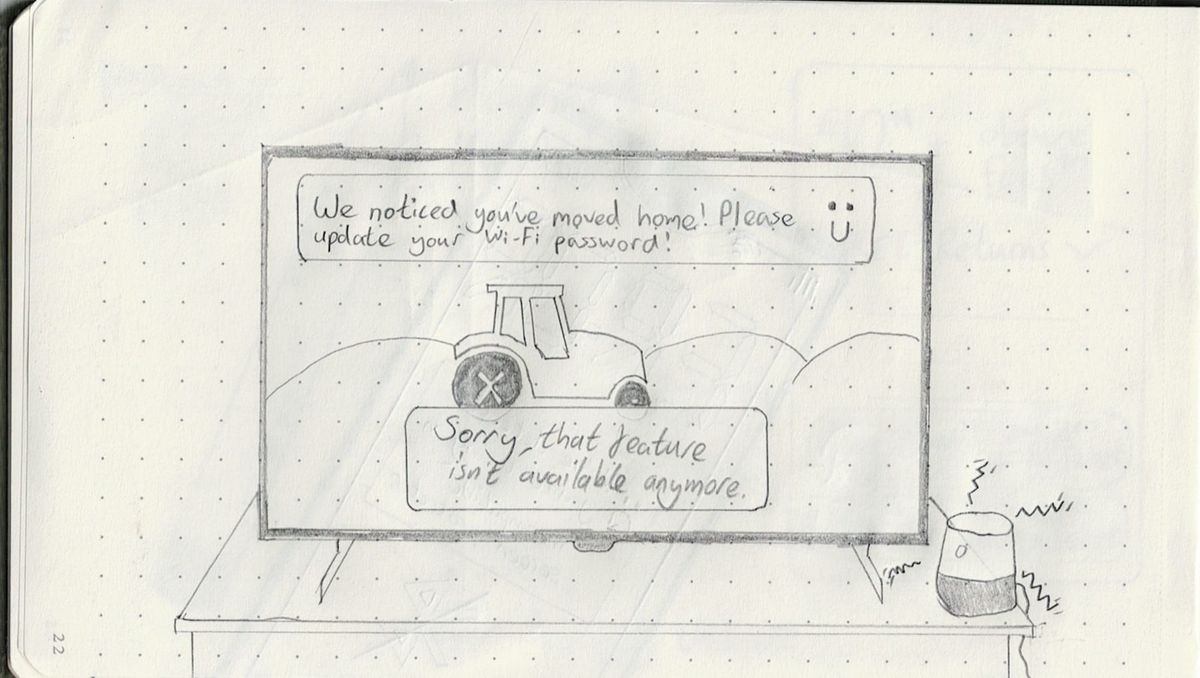
The John Deere (https://consumerrights.wiki/w/John_Deere) tractors stolen by Russian troops during the war in Ukraine were inoperable when they were turned back on. John Deere has remotely locked them. As much is this might be a win over theft, it highlighted a reality: these tractors were as much computers as farm machinery.
Inside each piece of valuable farming equipment was a central computer, aware of the machine's location & details of all of its parts. The replacement of these parts is also a tightly controlled system.
Far more of our everyday machines & tools are equipped with built-in computers, running software which is often unnecessary for their purpose. The mere fact that there is software running on an everyday device, which can likely function without, is grounds enough for anti-circumvention laws (https://en.wikipedia.org/wiki/Anti-circumvention_laws) in many countries to make it illegal to bypass any of these "digital locks" for even just your own device, regardless of whether you plan to share a found flaw, a fix or a modification.
Worse is if the device is connected to the internet. Take Smart TVs for example, :
Everyone worries about the apps on their phone. Almost no one looks at the ones on their TV. We scanned 6,038 of them across LG and Samsung; 2,058 were selling your IP address.
-- https://spur.us/blog/smart-tv-apps-residential-proxy-sdks
These smart devices could be better. It should be the standard for devices to perform only their intended function, with everything else being opted in. If someone wanted to consent to a device monitoring their network & sharing that information, they should get a share in those profits.
If an update is to be applied, the device owner should be notified, or asked if they want to opt-in to automatic updates.
If a manufacturer wants to downgrade device software, the device owner should be notified why, ideally in advance – if this should even be allowed at all.
https://consumerrights.wiki/w/List_of_products_and_services_with_post-purchase_license_change
The Snoo, a very expensive but widely regarded smart bassinet, now has some of the best features of its app locked behind a new $19.99 monthly premium subscription. The change, which went into effect this week, has infuriated many Snoo owners, as the subscription puts some previously free features that new parents rely on behind a pricey paywall.
-- https://www.theverge.com/2024/7/20/24202166/snoo-premium-subscription-happiest-baby
If an all out shutdown of the device is being proposed, there should be options for what the owner can do, & at the very least be given permission to make modifications or ideally for the manufacturer to release the digital locks. They should end up with hardware that still works, just without ongoing support from the manufacturer.
https://consumerrights.wiki/w/List_of_products_bricked_by_discontinuation
In the first place, devices should come with a date for which it will have guaranteed support for, making the original purchase a more informed decision.
That happened to me more than a week ago and on contacting [Google] support, they confirmed it was a firmware update they sent that caused the problem. They also said they will not be replacing my bricked [Google Home] device because it was out of warranty.
-- https://www.reddit.com/r/googlehome/comments/18leijw/google_sent_an_update_that_bricked_all_its_gen_1/
These are signs that we should demand more from what we buy. We should demand that companies be conscious of e-waste & better respect consumers. Ideally we could solely raise the profiles of the companies that follow these practices, but I believe we also need to make the existing companies who do not play fair change their ways.