Someone's tool is someone's weapon

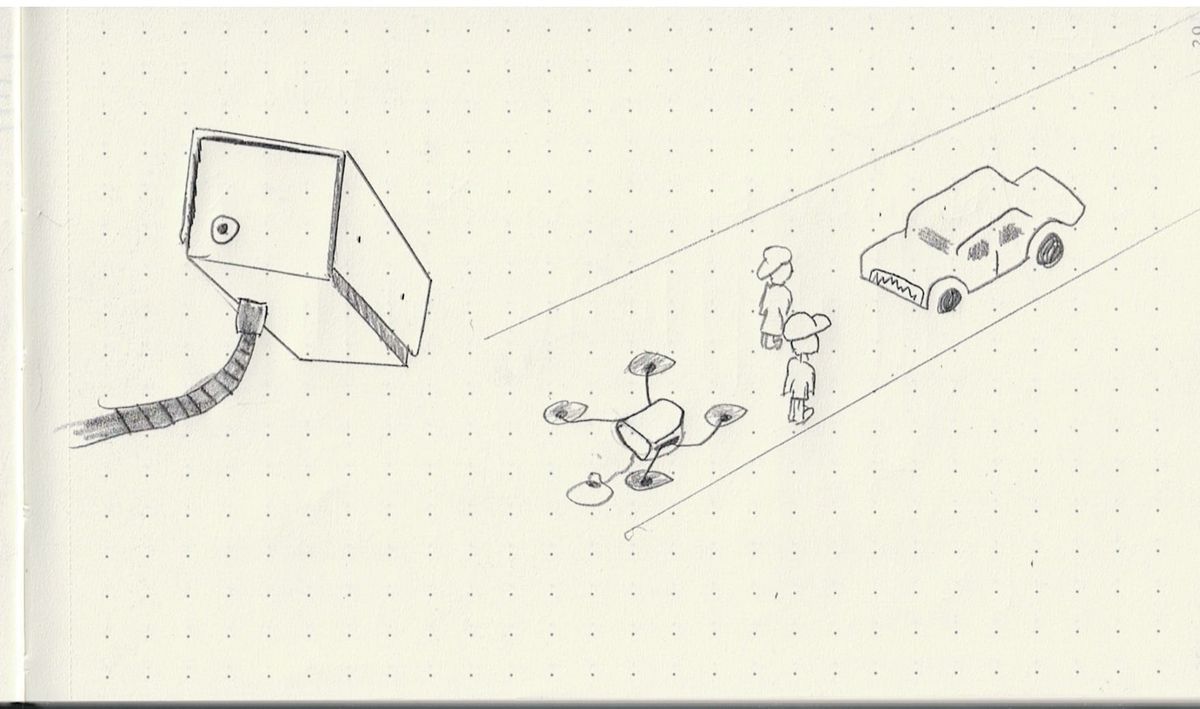
Any surveillance tool will be abused by some. If the impact of a piece of tech's misuse is high, then so should the controls behind it.
Today, my focus is on further spreading the mindset of questioning how tools, like the ones I'll list, are used. Too often, tech is sent out into the world as soon as it can be sold, instead of first understanding the risks. The public are usually the last to hear of a technology released, sometimes it takes the impact on their lives for them to have the chance to be made aware. This is something that should change. We have the technology to share information. The release of technology with effects on our lives, such as our privacy, should be something we use existing technology to talk about.
Take car number plate readers (licence plate readers). The increasing use of these cameras in the US, largely operated by private companies, has resulted in police departments paying for access to these systems for their ease of use & how widespread these cameras are, compared to their traditional ways of tracking cars. Police departments can also use these systems to more widely share tracking data across jurisdictions & states:
https://youtu.be/vWj26RIlN_I?si=LV4gA1yHa2U3rdNl&t=429
But a tool used for good can often be used for bad:
He then put her license plate details on a surveillance “hotlist,” meaning he would get a notification in real time anytime she drove by an AI-powered license plate surveillance camera.
-- https://www.404media.co/footage-shows-cop-stalking-woman-he-met-on-a-tv-set-after-surveilling-her-with-a-license-plate-reader/
If my car was stolen & was found thanks for a number plate reader, I'd be happy, but is it worth the trade-off that this tool can be used for bad?
In the first place I'd want a say in whether these kinds of cameras were to appear where I live.
Age verification, the first topic I wrote about, is another useful tool. I'm all for protecting children from the addictive & harmful sides of the internet, but just like how a roadside surveillance camera cannot only record scans of cars under suspicion, age verification doesn't just check the identity of some people. The only way these tools is work is to scan everyone, in effect assuming guilt until proven innocent.
 Thomas Heslin
And they don't always look at a photo of your face or scan of your ID, some of the age verification platforms look at your usage to make predictions of your age, something I don't believe many are aware & something that no person would have read in a terms of service.
Again, any surveillance tool will be abused by some:
The platform [Discord], which has more than 200 million users worldwide, says hackers had targeted a firm that helped to verify the ages of its users but the Discord platform itself was not breached.
-- https://www.bbc.co.uk/news/articles/c8jmzd972leo
And these tools make mistakes, scanning car licence plates:
Imagine driving to get your nails done with your family and all of a sudden, you are pulled over by police officers for allegedly driving a stolen car. You are dragged out of the car and detained at gun point.
...
before eventually realizing that they made a mistake. This happened to Brittney Gilliam and her family on a warm Sunday in Aurora, Colorado, in August 2020.
-- https://www.eff.org/deeplinks/2024/11/human-toll-alpr-errors
And for age verification:
Though it differs depending on the website you’re trying to access, Discord has employed facial recognition software to estimate the ages of its users. Unfortunately, this has led to some people using the hyper-realistic photography from video games to get in – and it works!
-- https://thetab.com/2025/07/28/all-the-unhinged-loopholes-people-are-using-to-get-past-the-online-safety-act-as-ofcom-responds
A different example is drones. As this technology improves they get cheaper. Now that many people can affordably get drones we're seeing novel uses, for good:
- Drones could deliver defibrillators to cardiac arrest patients in the UK (https://ambulance.nhs.wales/news/nhs/2025/drones-could-deliver-defibrillators-to-cardiac-arrest-patients-in-the-uk/?utm_source=chatgpt.com)
But also for bad:
- Drone incidents in prisons rise by more than 40% (https://news.sky.com/story/number-of-drone-incidents-in-prisons-rises-by-more-than-40-figures-show-13404812)
As is often the case, it's the details that matter. Each of these examples are cases of tech having beneficial uses, but released to a world full of people with different motivations.
For all three example technologies, the risks of widespread use of each of them is predictable. People will abuse surveillance cameras, personal data gathered will be a prime target to theft, & equipment like drones will see people do what they couldn't before.
If people had more of a say, then perhaps my local area could forbid number plate reading cameras, have restrictions on retention of age verification, say, per school (even perform the age verification within a school) & geo-fence the use of drones in the area, say, to prevent crossing a boundary or flying over private land that doesn't approve or anyone near the local prison. Other areas might be more lenient. Most people might vote for number plate reading cameras in areas where there is more dangerous driving or car theft.
There will always exception cases, but does the exception fall below an accepted threshold?
If we could demand more, these technologies have the chance of doing far more good, than harm.
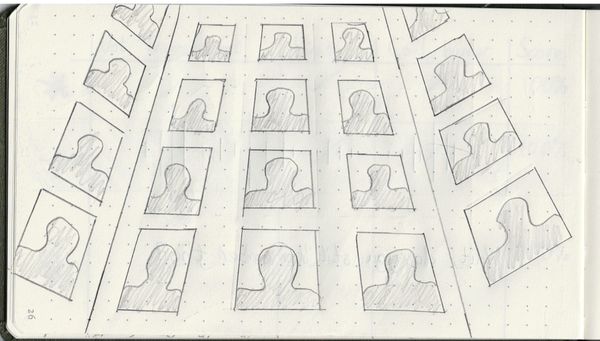
This words & top image in this post are licensed under Creative Commons Attribution 4.0. This licence means you may use the works in any way you like, including commercially, provided that you attribute it to me, Thomas Heslin, & include a link to better-tech.ghost.io.
https://creativecommons.org/licenses/by/4.0/
Quotations & other images (not at the top) aren't included in this licence; they are included either under a limitation or exception to copyright, or on the basis of a separate licence. Please exercise caution.