Amazon wants you to tattle

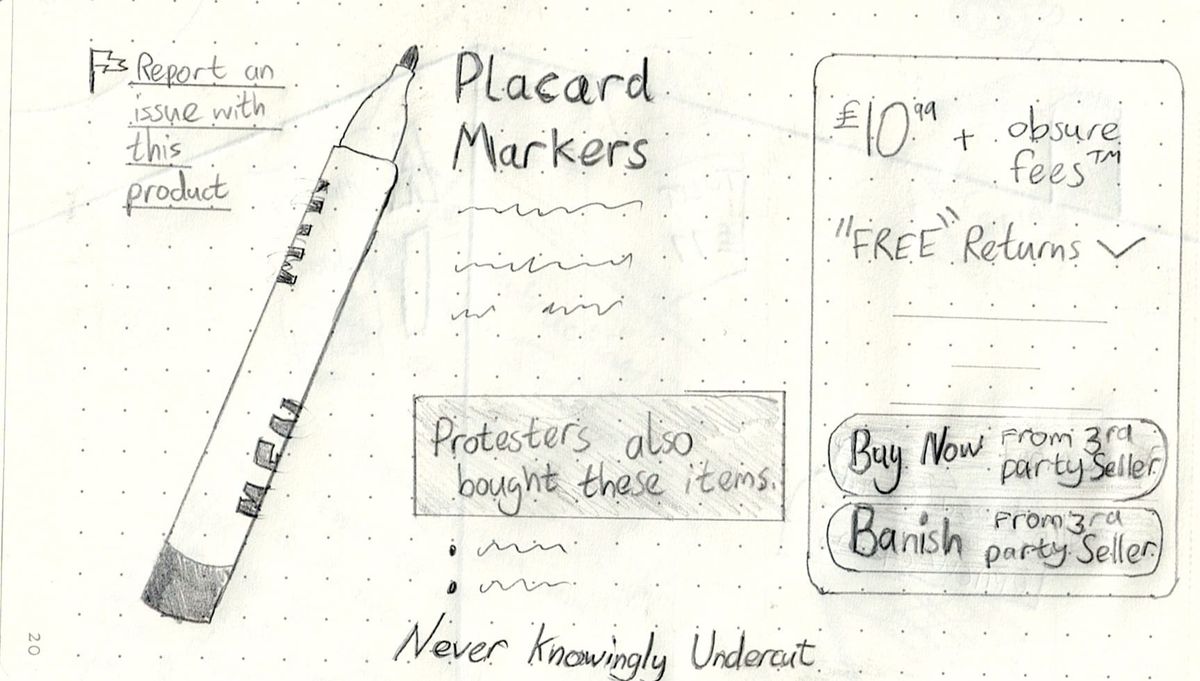
Today, tech could be better by Amazon simple not imposing onto third-party sellers what they do today. They have the tech to oversee practically all online sales, so they have the tech to play fairly & be transparent.
In 2019, Amazon silently dropped the clause in contracts with third-party sellers enforcing Most Favoured Nation (MFN) status. When MFN was in place, sellers were not allowed to sell their products for less anywhere else; in other words, Amazon had to have the cheapest price.
https://en.wikipedia.org/wiki/Most_favoured_nation
Since Amazon dropped MFN, it has continued to do close to exactly what they were previously doing: enforcing that Amazon has the cheapest price. How? By prioritising the sale of items that continue to adhere to Amazon being the Most Favoured Nation (MFN).
From https://blog.bqool.com/what-is-the-buy-box-amazon/:
Why is the Buy Box important for sellers?
Roughly 80-90% of conversions on a listing occur through the Buy Box. Sellers without it may see only 10–20% of the sales volume. Securing the Featured Offer can trigger an immediate increase in sales velocity.
Why does the Buy Box get suppressed?
- Lower prices were found on Amazon or other online marketplaces.
- Weak seller metrics (e.g., negative feedback, late shipments). It could happen even when you are the only seller.
From https://www.webretailer.com/amazon/amazon-buy-box/:
The best guess we have is that 82% of sales go through the Amazon Buy Box. This estimate comes from a 2013 report by software company Feedvisor, and only Amazon itself knows exactly what proportion of sales go through the Buy Box.
& how do Amazon want us to tattle?

But is this so bad?
In the UK we have the department store chain, John Lewis. They offer a promise: Never Knowingly Undersold (https://www.johnlewis.com/content/never-knowingly-undersold).
If you find the same item with them [one of 25 other leading retailers] for a lower price within 7 days of buying from us, we’ll refund the difference.
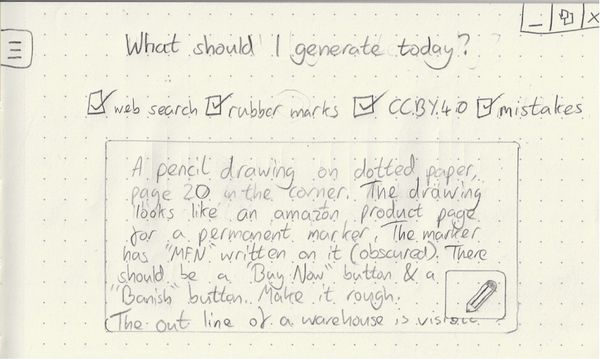
Amazon do not offer such a refund. On every product, under the link to reporting a problem, is the choice to report another company/site selling the product for less. The screenshot from a product page (above) is a separate part of the page next to product information.
Since 2019, if Amazon find that you're selling elsewhere for less, they banish you from the Buy Box. Whilst some reports claim that the Buy Box is responsible for around 80% of sales, even a fraction of this would be a painful loss for a many companies.
What's wrong with Amazon having the cheapest price?
Amazon apply fees. The exact amounts of these fees are purposely mysterious. I think it would take a well established third-party seller on Amazon to invest time into calculating just how much comes out of their sales to truly know. Whilst I'm sure there are in-depth investigations out there, the amounts themselves don't matter when the fact is:
How is this the case? Unless the third-party seller is willing to take the loss of Amazon's fees for sales made on Amazon (which might bring them below profitability) their only other option is to raise prices to account for the cut Amazon takes.
But MFN (in its pre-2019 form or post-2019 Buy Box form) ensures that Amazon still gets the best price. When a third-party seller increases prices due to Amazon's fees on Amazon, every other place being sold on (such as the seller's own website) must increase in step to match the price list on Amazon.
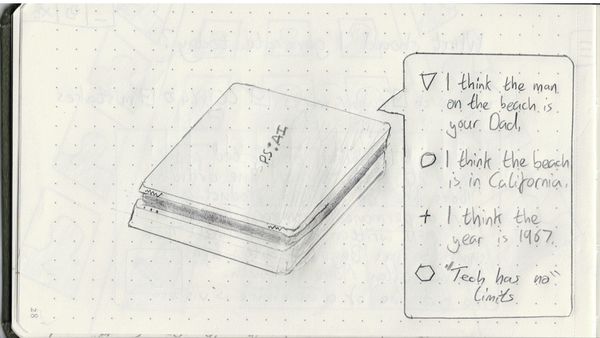
This feedback question might now read differently:
I am not suggesting any reader changes their shopping habits. A nice idea I heard for this was (coincidentally about Amazon): Don't end up missing the Amazon protest because you were searching local indie shops to buy markers for your placard.
Having nice things is nice, and the more nice things you have – good food, good health, good books, good coffee, good social media and good transit – the more space and energy you'll have to devote to politics.
Cory Doctorow (https://pluralistic.net/2026/05/21/purity-culture/)
Further reading
- Antitrust and Amazon’s Limited Most-Favored-Nation Clauses (https://herbhovenkamp.substack.com/p/antitrust-and-amazons-limited-most).