All tech is written for the future
Software is one of the easiest things for us to make copies of. It's not free, but we've made it cheap enough that we rarely think about it. Sharing a photo makes a copy. When you stream a movie, you're downloading a copy of it – a copy your device forgets afterwards. When you download an app, you make a copy of the code a company has likely poured thousands of man-hours of effort into.
This ability to scale has a trade-off. With millions of us making copies of apps and running them, there are countless different interpretations of what the app is for, what it does & how it does it. The app developers are likely aware of this & will be striving to design their apps to be as easy to use as possible for its intended purpose.
The real trouble is that the user is not sitting next to them & they likely haven't made a copy of the app yet. There may well be multiple years in between the developer defining the instructions the app will follow & the user who copies the app to trigger those instructions.
This idea is what prevents me from becoming frustrated with a lot of the limitations I face when using tech, such as for booking a flight. I remind myself of the disconnect I have with the people behind the screen.
Not only does time get in the way, but the realities of machines too, which can run hot or cold, could crash, could be running multiple copies of the code in parallel, or running other code at the same time. Software an app relies on can change, or an outage occurs.
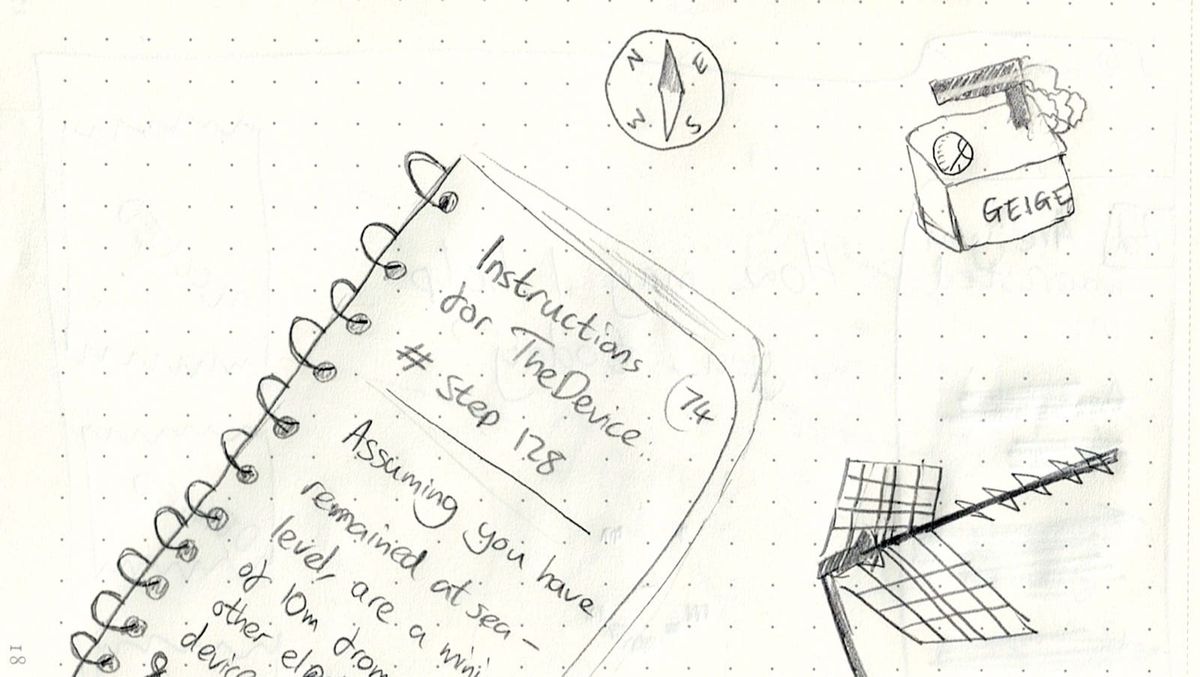
Imagine writing an instruction booklet for a device you've made. You only plan on giving a copy of the device to a few friends, so the instructions can be simple, plain language. If they find it confusing they can call you & ask questions.
The device is a hit, and now thousands are buying it. The old instruction booklet that you scribbled notes into your friend's copies isn't going to work when shipped out to all those new people.
Now the instruction booklet is longer. It covers edge cases like power outages, different atmospheric pressures, whether the device can survive being shipped around.
The device grows even more popular. People are doing what with it? They've combined it with that? That was never the intention, you can't use it next to that.
These are the types of challenges something that can be copied so easily faces. Sure, they can be updated just as easily as the original copies were made, but that doesn't work for the user struggling to book a flight or make a payment.
This blog is about how tech could be better. The idea that tech is written for the future acknowledges that in a way that has no single solution to it.